


The Beer Culture in Germany: A Symbol of Tradition, Sophistication, and History
The beer culture in Germany is not just a tradition but also a symbol of refinement and centuries-old history. Considered an integral part of German social life, beer plays a significant role in gatherings, meals, and even community bonding.
The Importance of Beer in German History and Society
Beer is more than just a beverage; it is a vital part of Germany's culture and history. In the 16th century, Germany enacted the Beer Purity Law (Reinheitsgebot), which mandated that beer could only be made from three basic ingredients: water, barley, and hops. This law not only ensured quality control but also reflected the German commitment to purity and food safety.
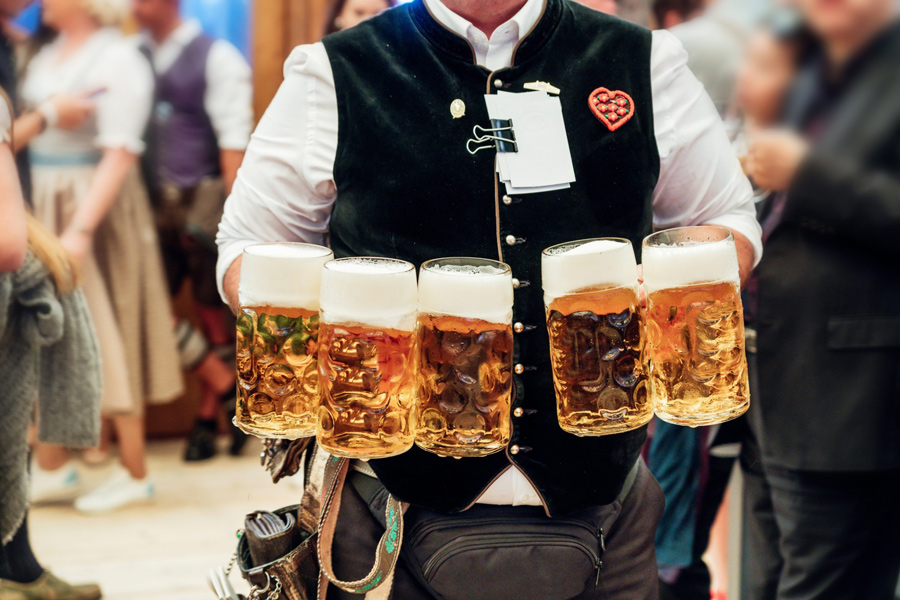
In German society, beer is an essential part of daily life. From family meals to social gatherings, beer often serves as a bridge connecting communities. Biergartens (outdoor beer gardens) exemplify this tradition, providing spaces where people from all walks of life gather to enjoy beer and share everyday stories. These spaces foster community bonding and help build lasting relationships.
Beer also plays a significant role in Germany’s economy. With over 1,300 breweries and more than 5,000 different types of beer, Germany is one of the world’s leading beer exporters. Events like the Oktoberfest in Munich attract millions of visitors annually, offering not only a taste of German beer but also an immersive cultural experience.
Beer Culture in Germany and Its Etiquette
Germans take beer etiquette and customs seriously. Here are some common rules in German beer culture:
-
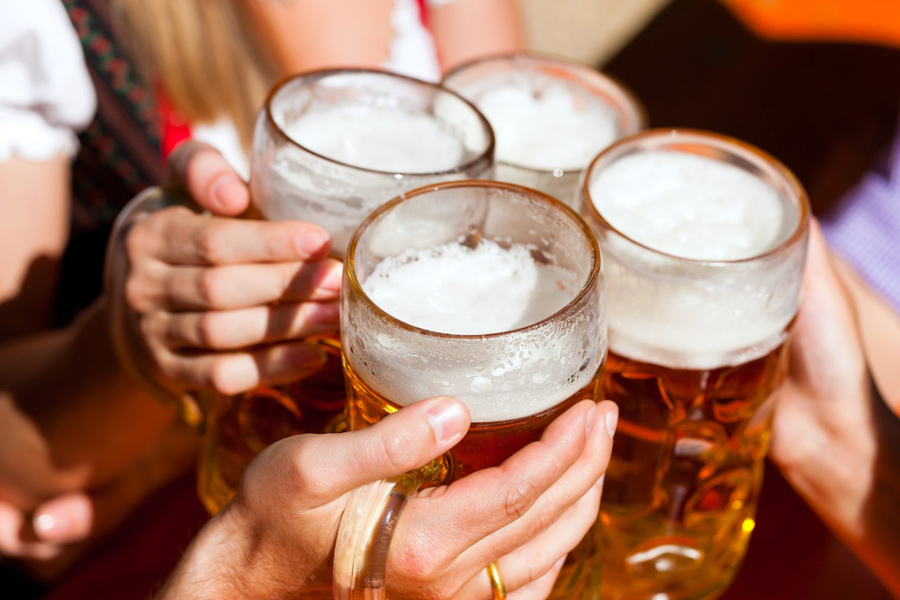
Proper Toasting: Before drinking, people typically raise their glasses and say “Prost!” (Cheers!). When clinking glasses, it’s important to make direct eye contact with others, as this is considered a sign of respect. Failing to do so might be seen as impolite.
-
Orderly Beer Pouring: When drinking in groups, the person pouring beer ensures that no glass is empty or overflowing. It’s customary to pour for others before pouring for yourself.
-
Savor the Beer: Drinking beer in Germany is not just about quenching thirst; it’s about appreciating the taste. Germans value drinking slowly and mindfully to fully enjoy the flavor, avoiding rapid or uncontrolled consumption.
-
Appropriate Glassware and Serving Sizes: Each type of beer in Germany is often served in its specific glass, designed to enhance the flavor. For instance, wheat beer (Weissbier) is served in tall glasses, while dark beer (Dunkel) comes in shorter ones.
-
Respecting Quiet in Biergartens: While beer gardens can be lively, Germans maintain a moderate volume. Excessive noise or shouting is frowned upon in these communal spaces.
-
Beer for Everyone: Beer drinking in Germany is a gender-neutral activity. Both men and women enjoy beer equally, reflecting an inclusive culture.
Germans are also known for their responsible drinking habits. They adhere to alcohol limits when driving and often use public transportation or taxis after beer celebrations, underscoring their respect for public safety and personal responsibility.
Conclusion
The beer culture in Germany goes beyond enjoying a beverage; it is an integral part of the country’s traditions, history, and society. From the etiquette of toasting to the relaxed yet structured atmosphere of Biergartens, beer brings people together to share joy and foster meaningful relationships. Beer, therefore, is not just a drink—it is a symbol of unity, respect, and civilized living.


