


South Korea, one of Asia's most rapidly developed countries, has become an ideal destination for international students thanks to its top-tier education system, unique cultural experiences, and attractive career opportunities. Studying in South Korea not only offers access to advanced academic environments but also provides the chance to immerse oneself in a diverse and rich cultural landscape. If you’re considering studying in South Korea, here are essential things to know to prepare for your academic and personal journey in the land of kimchi.
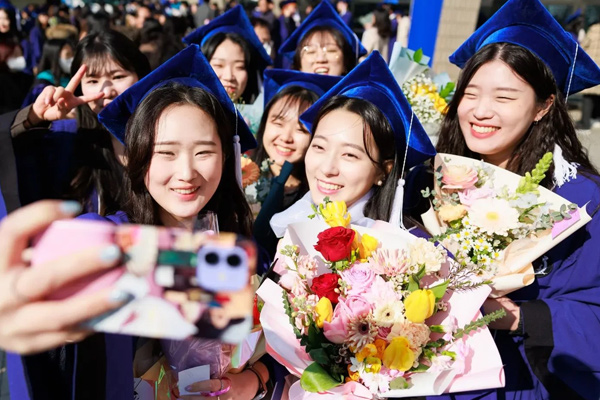
1. Reasons to Study in South Korea
High-Quality Education
South Korea boasts one of the world's best education systems, with renowned universities such as Seoul National University (SNU), Yonsei University, Korea University, and Sungkyunkwan University. The teaching quality at these institutions is internationally recognized, and South Korea frequently appears in global education rankings.
Exceptional Career Opportunities
As one of the largest economies globally, South Korea is home to leading conglomerates like Samsung, LG, Hyundai, and SK Group. Studying in South Korea gives international students the chance to intern at top companies and expand their professional networks. Post-graduation, job opportunities are abundant, especially in technology, business, finance, and media fields.
Vibrant and Unique Culture
Studying in South Korea is not just about academics—it’s also an opportunity to experience a rich culture, from Korean cuisine and traditional festivals to modern entertainment like K-pop, films, and fashion. The country’s blend of modernity and tradition creates a vibrant and exciting living environment.
2. Requirements for Studying in South Korea
Academic Requirements
International students must hold qualifications equivalent to a high school diploma or a bachelor’s degree, depending on the program they’re applying to. Most universities require students to have a high GPA and language proficiency certificates in Korean or English (e.g., TOEFL, IELTS, TOPIK) depending on the program.
Student Visa (D-2 Visa)
To study in South Korea, students must apply for a D-2 (long-term study) visa. This requires an admission letter from a South Korean university, proof of financial ability to cover tuition and living expenses, and other documents such as health records, passports, and supporting materials.
Financial Proof
One essential requirement for obtaining a study visa is proof of financial stability. Students must demonstrate they have sufficient funds to cover tuition fees and living costs during their stay in South Korea.
3. Costs of Studying in South Korea
Tuition Fees
Tuition fees in South Korean universities vary based on the program and institution. On average, undergraduate programs cost between 2,000,000 and 4,000,000 KRW (approximately $1,700 to $3,400 USD) per year. Programs in fields like medicine, engineering, and fine arts tend to have higher tuition fees.
Living Expenses
Living costs in South Korea depend on the city. Major cities like Seoul and Busan are more expensive than smaller towns. On average, monthly living expenses (including accommodation, food, transportation, and personal costs) range from 600,000 to 1,000,000 KRW ($500–$850 USD).
Scholarships and Financial Aid
Many universities in South Korea offer scholarships for international students, which may include tuition waivers, living allowances, and flight tickets. Additionally, South Korean government programs and international organizations provide various attractive scholarships.
4. Popular Study Programs in South Korea
Undergraduate Programs
Pursuing a bachelor’s degree is the most common choice for international students in South Korea. These programs cover various fields, including social sciences, economics, engineering, arts, and more. Students may choose to study in Korean or English.
Master’s and Doctoral Programs
South Korea is also an ideal destination for students seeking postgraduate education. Universities offer numerous high-quality master’s and doctoral programs, particularly in research-intensive fields like science, technology, and business.
Korean Language and Culture Programs
In addition to degree programs, students can enroll in Korean language courses to enhance their communication skills. Many universities provide language programs tailored for international students to help them integrate into the academic and social environment.
5. Student Life in South Korea
Accommodation
International students can choose to live in university dormitories or rent private housing. Dormitories are typically more affordable and come with basic amenities, though space may be limited. Renting private accommodation offers more flexibility but is usually more expensive.
Culture and People
South Korea is known for its hospitality and mutual respect. International students are warmly welcomed and can easily integrate into the academic community. However, students are encouraged to respect Korean cultural norms, such as humility and deference to elders.
Transportation
South Korea has a highly efficient public transportation system, including subways, buses, and taxis. International students can use transit cards to save on commuting costs within cities.
Conclusion
Studying in South Korea offers international students the chance to experience a world-class education, explore a unique culture, and build their careers in a developed economy. However, to make the most of this opportunity, students should thoroughly research visa requirements, living costs, scholarships, and job prospects. With proper preparation, studying in South Korea can be a challenging yet rewarding and enriching journey.


